
|
This Blog post belongs to Johan Campbell
Member Login Join / Register |

|
|
|
This Blog post belongs to Johan Campbell
Member Login Join / Register |
|
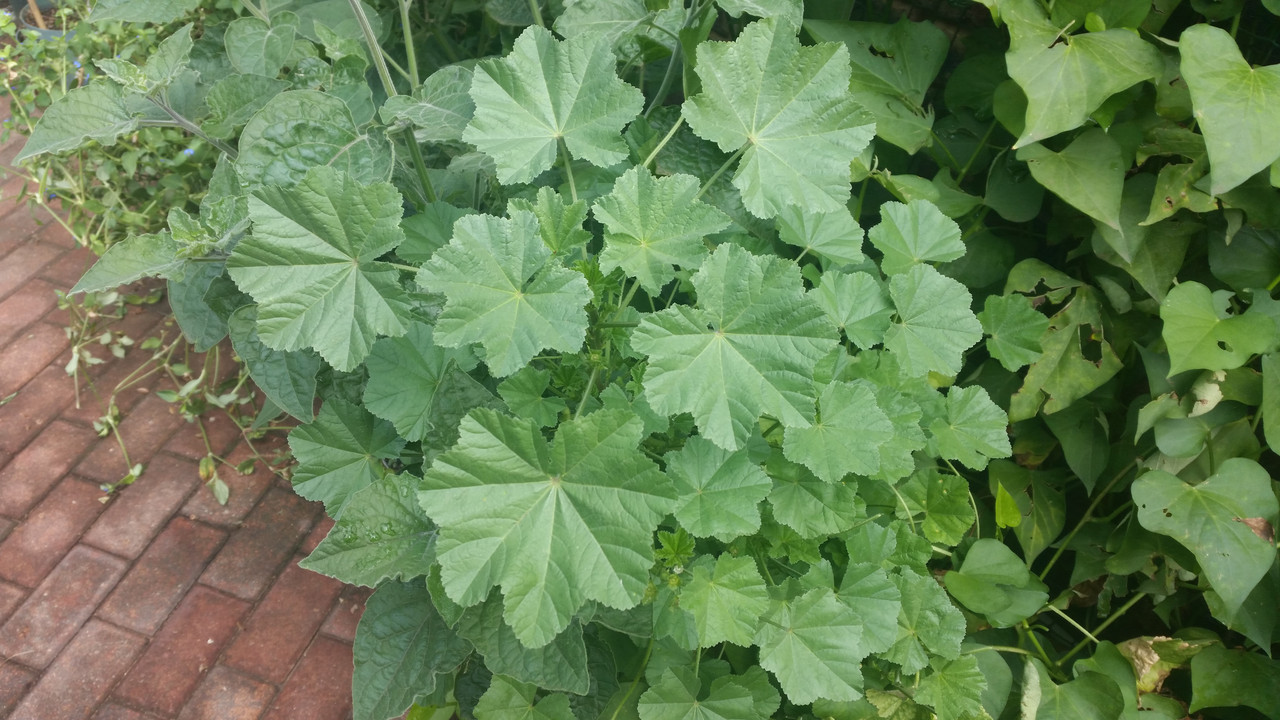
Common mallow, scientifically known as Malva sylvestris, is a flowering plant that has been used for medicinal purposes for centuries.
How often have you walked past this seemingly ordinary plant without realizing its incredible healing potential? In fact how often have you pulled it and tossed it as a useless "weed" This gem is Common Mallow (Malva sylvestris), a powerful medicinal herb packed with nutrients and healing properties. Used for centuries in traditional medicine, Common Mallow offers a wide range of health benefits that can improve digestion, boost immunity, soothe inflammation, and promote overall wellness.
What Makes Common Mallow So Special?
Common Mallow is rich in mucilage, flavonoids, vitamins A, C, and E, calcium, magnesium, and antioxidants, making it a natural powerhouse for health and healing. Whether consumed as tea, used in skincare, or applied as a poultice, this herb provides remarkable therapeutic benefits.
Origins:
Common mallow (Malva sylvestris) originates from Europe, North Africa, and Asia, spreading globally as a widespread "weed" or wild edible, historically valued in ancient Greece, Rome, and the Middle East for food and medicine.
This humble plant has been valued for its soothing and healing properties.
While modern medicine may have eclipsed its traditional uses, recent research is uncovering the health and nutritional benefits of common mallow, highlighting its potential to address a range of health concerns.
Nutritional profile
Mallow is a highly nutritious green, containing (per 100 g of fresh weight) 4.6 g protein, 1.4 g fat, 24 mg vitamin C, as well as vitamin A and carotenoids.
The fats contain important omega-3 and omega-6 fatty acids, which could help to reduce the incidence of chronic diseases such as cancer, diabetes and heart disease.
Common mallow is also a good source of dietary fibre and the leaves also contain health-giving antioxidants.
In general it is rich in essential nutrients, making it a valuable addition to the diet.
Its nutritional profile includes:
Vitamins:
High in vitamins A, C, E and several B vitamins, which are crucial for immune function, skin health, and energy metabolism.
Also high in iron, calcium, and magnesium, supporting bone and blood health.
Minerals:
Contains significant amounts of calcium, magnesium, potassium, zinc, and selenium, all of which are important for various bodily functions, including bone health and metabolic processes.
Fiber:
A good source of dietary fiber, which aids in digestion and helps maintain a healthy gut.
Fatty Acids:
Provides omega-3 and omega-6 fatty acids, which are beneficial for heart health and may reduce the risk of chronic diseases such as diabetes and cancer.
The leaves, flowers, and seeds of common mallow are all edible. The leaves can be consumed raw in salads or cooked like spinach, while the seeds can be eaten as snacks or used in various dishes
Medicinal Benefits
Common mallow is renowned for its medicinal properties, attributed largely to its high mucilage content, which provides soothing effects. Key medicinal benefits include:
Supports Heart Health:
Helps regulate blood pressure due to its potassium content and aids in reducing cholesterol levels.
Anti-inflammatory Properties:
Mallow is effective in reducing inflammation, making it useful for treating conditions such as arthritis and respiratory issues like bronchitis.
Common mallow contains compounds like flavonoids and mucilage that possess anti-inflammatory properties, reducing inflammation and pain like joint pain, arthritis, and muscle aches due to its anti-inflammatory properties.
Soothing Effects:
The mucilage helps coat and soothe the throat and gastrointestinal tract, alleviating symptoms of dry cough, throat irritation, and digestive discomfort.
Make a tea using 1tsp dried leaves to 1 cup hot water. Steep 10min.
Respiratory Issues:
Its demulcent properties help to soothe the throat and lungs, making it beneficial for conditions like coughs, sore throats, bronchitis, and asthma.
The mucilage (gel-like substance) helps soothe sore throats and relieves coughs and bronchitis.
Acts as an expectorant, helping clear mucus from the lungs.
Skin Conditions:
The mucilaginous properties of common mallow make it an excellent remedy for soothing irritated skin. It has been used as a paste to treat eczema, psoriasis, acne, rashes, and burns.
Wound Healing:
Mallow can be applied topically as a poultice to promote healing of minor wounds, burns, and skin irritations.
The mucilage in common mallow promotes wound healing by creating a protective barrier and encouraging tissue regeneration.
Antimicrobial properties:
Some research suggests that common mallow may have antimicrobial properties, potentially inhibiting the growth of bacteria and fungi.
Antioxidant Activity:
Rich in flavonoids and other antioxidants, common mallow helps combat oxidative stress, which is linked to aging and various diseases.
Laxative Effects:
Its mild laxative properties can aid in relieving constipation without causing irritation to the intestines.
Digestive Problems:
Common mallow can help alleviate digestive discomforts like constipation, and heartburn.
Soothes the stomach lining and helps with gastritis and acidity.
Strangely enough, though it has laxative effects it equally soothes and calms an upset stomach
Urinary Tract Infections:
Its diuretic properties can help flush out bacteria from the urinary tract.
Helps with urinary tract infections (UTIs) by reducing inflammation in the bladder.
How to Use Common Mallow:
Common mallow can be consumed in various forms:
Vegetable:
Delicious either sauteed or cooked like spinach.
Tea:
Infuse dried leaves or flowers in hot water for a soothing tea.
Decoction:
Boil the plant material in water for a stronger extract.
Tincture:
Extract the plant’s active compounds in alcohol for a concentrated form.
Topical application:
Apply a poultice or ointment made from crushed leaves directly to the affected area.
Conclusion:
Common mallow, a plant with a rich history of traditional use, is gaining recognition for its potential health benefits.
Modern research is uncovering its anti-inflammatory, antioxidant, wound healing, and antimicrobial properties,
suggesting its potential to address a range of health concerns.
While further research is necessary to fully understand its efficacy and safety, common mallow offers a promising natural remedy for various ailments.
See other posts